Synchronizing Biometric Inputs from Personal Trackers with Secured Repositories for Distant Health Initiatives
Dana Flores · Jul 8, 2026
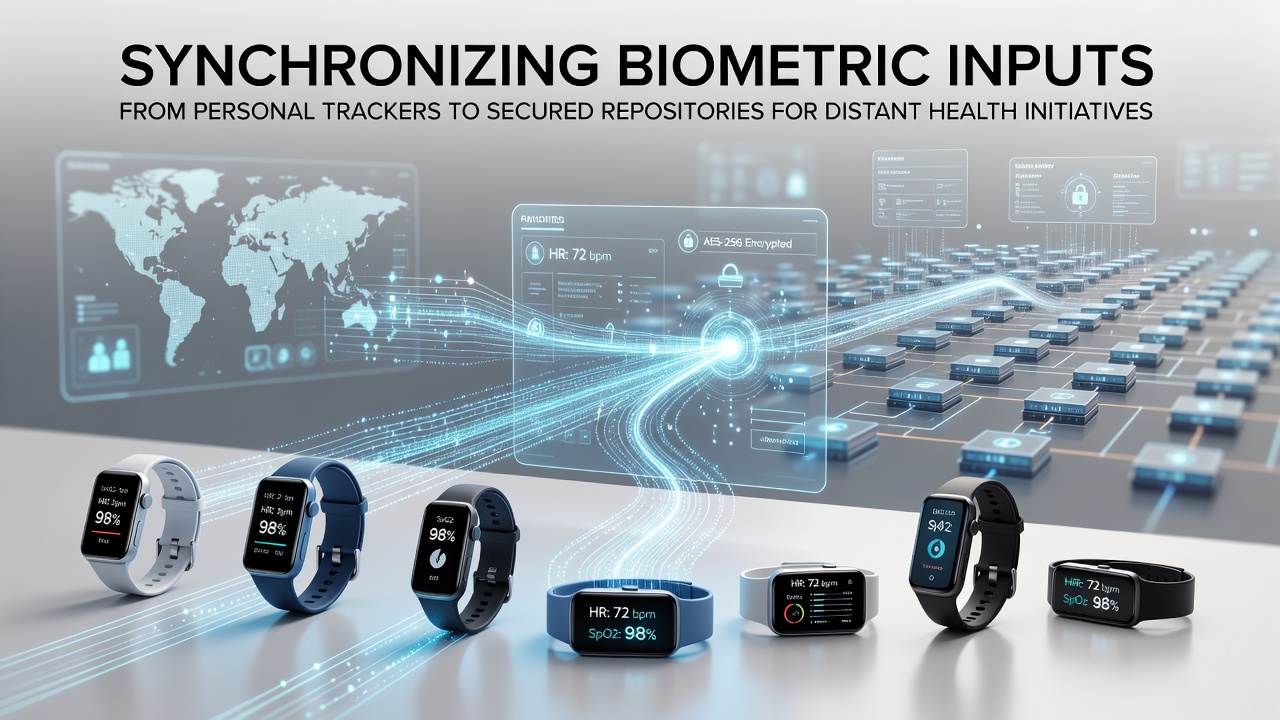
Synchronizing Biometric Inputs from Personal Trackers with Secured Repositories for Distant Health Initiatives
Health systems around the world now integrate data streams from wearable devices into centralized platforms that support remote patient monitoring programs, and this process relies on standardized protocols for transferring heart rate, activity levels, blood oxygen readings, and sleep patterns from consumer trackers into encrypted databases. Organizations such as the Australian Digital Health Agency have documented how these connections enable clinicians to review continuous metrics without requiring in-person visits, while regulatory frameworks in multiple regions set requirements for consent management and data minimization during transmission.
Data Flow Mechanisms in Remote Health Programs
Personal trackers collect biometric signals through optical sensors and accelerometers, then package the readings into structured formats before sending them over secure channels to cloud-based repositories managed by health providers or government initiatives. Middleware applications handle authentication through token-based systems, ensuring that only authorized endpoints receive the packets, and these applications often operate on schedules that batch uploads during low-bandwidth windows to reduce network strain. In July 2026 several pilot programs across North America began testing unified APIs that map device outputs directly into electronic health record fields, allowing physicians to view trend graphs alongside traditional lab results without manual data entry.
Researchers at academic institutions have measured latency reductions when edge computing nodes preprocess the incoming streams before they reach central servers, and this approach cuts average transfer times by routing only summarized alerts rather than raw sensor logs. Secure repositories employ layered encryption standards that separate metadata from the actual biometric values, so even if one layer experiences a breach the underlying readings remain protected under current compliance rules set by bodies like Health Canada.
Security Protocols and Compliance Standards
Encryption at rest and in transit forms the baseline requirement for any system handling biometric health data, yet additional controls such as role-based access adn audit logging provide traceability for every query made against the stored records. Organizations follow guidelines that mandate regular penetration testing and key rotation schedules, while automated compliance checks verify that consent forms remain current before any new data sync occurs. Studies from European research consortia have shown that repositories using homomorphic encryption techniques can perform aggregate analyses on encrypted datasets without exposing individual patient information, which supports population-level health tracking for distant initiatives.
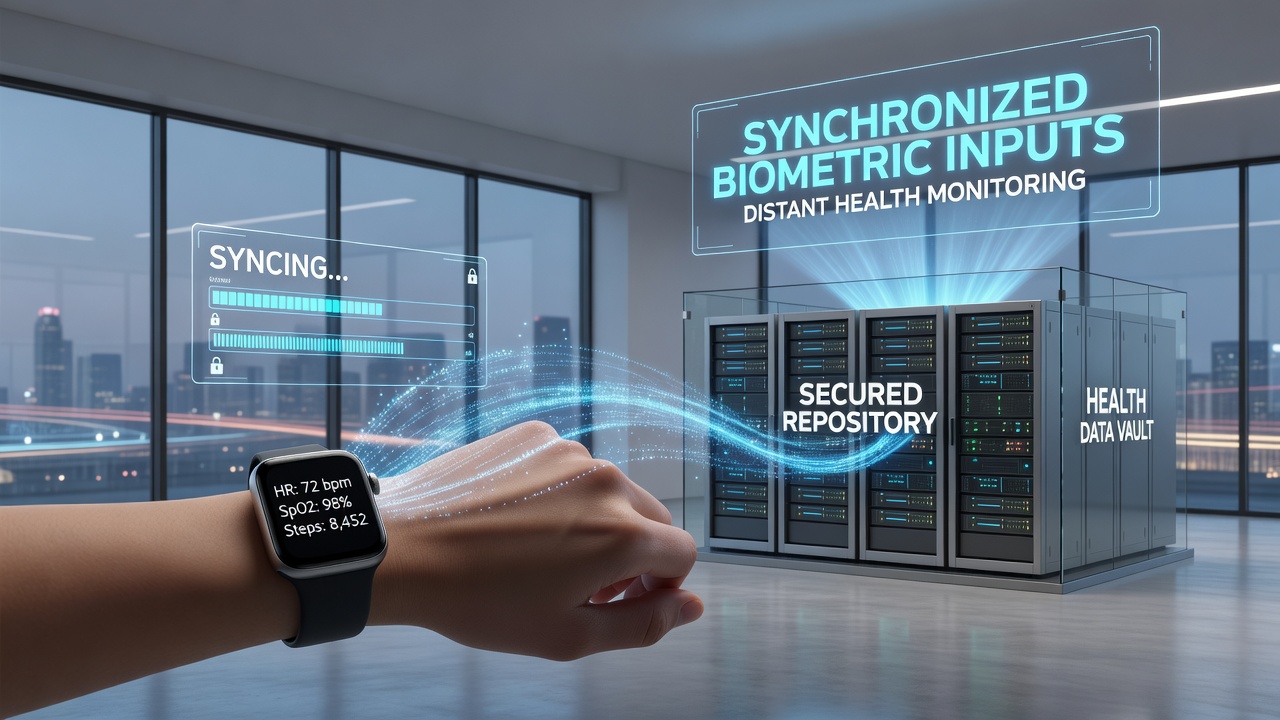
Device manufacturers publish software development kits that embed these security features at the hardware level, and health programs require certification of each tracker model before it joins their approved list. When discrepancies arise between device timestamps and repository logs, reconciliation scripts flag the entries for manual review, preventing drift that could affect treatment decisions in remote care settings.
Applications Across Distributed Health Networks
Remote health initiatives use synchronized biometric feeds to monitor chronic conditions such as hypertension and diabetes, where daily tracker data informs medication adjustments without clinic visits. Community outreach teams in rural regions receive summarized dashboards that highlight anomalies, allowing them to prioritize follow-up calls or dispatch local nurses equipped with portable diagnostic tools. Government reports indicate that integration projects in Canada have linked tracker data with provincial telehealth portals, creating unified views that reduce duplicate testing and improve coordination between primary care and specialist teams.
Training programs teach patients how to pair their devices correctly and grant granular permissions so they can revoke access to specific data categories at any time. These controls align with emerging international standards that emphasize patient ownership of health records, and several jurisdictions now require annual audits to confirm that repositories maintain proper deletion schedules once consent expires.
Technical Challenges and Ongoing Developments
Interoperability remains a persistent issue because different tracker brands output data in proprietary formats, yet open-source conversion libraries have begun to standardize these streams into common schemas accepted by major repository platforms. Battery constraints on wearable devices limit how frequently they can push updates, prompting developers to implement adaptive sampling rates that increase during detected health events and decrease during stable periods. Network coverage gaps in remote areas still interrupt sync cycles, although satellite backhaul options tested in 2025 pilots have demonstrated reliable fallback paths for critical alerts.
Future updates scheduled for late 2026 aim to incorporate federated learning models that analyze patterns across repositories without moving raw data between sites, thereby strengthening privacy protections while expanding the scope of insights available to distant health programs. Observers note that successful implementations combine clear governance policies with robust technical safeguards to maintain trust among participants who contribute their biometric information over extended periods.
Conclusion
Synchronization of biometric inputs from personal trackers into secured repositories supports expanding remote health initiatives by delivering continuous, structured data to clinicians regardless of geographic distance. Established protocols, layered security measures, and evolving interoperability tools enable these systems to operate at scale while meeting regulatory expectations across multiple jurisdictions. As programs mature through 2026 and beyond, the focus remains on maintaining accurate, consented data flows that improve care coordination without introducing unnecessary exposure risks.