Linking Sensor Networks from Everyday Wearables to Encrypted Database Protocols for Virtual Health Campaigns
Dana Flores · Jun 17, 2026
Linking Sensor Networks from Everyday Wearables to Encrypted Database Protocols for Virtual Health Campaigns
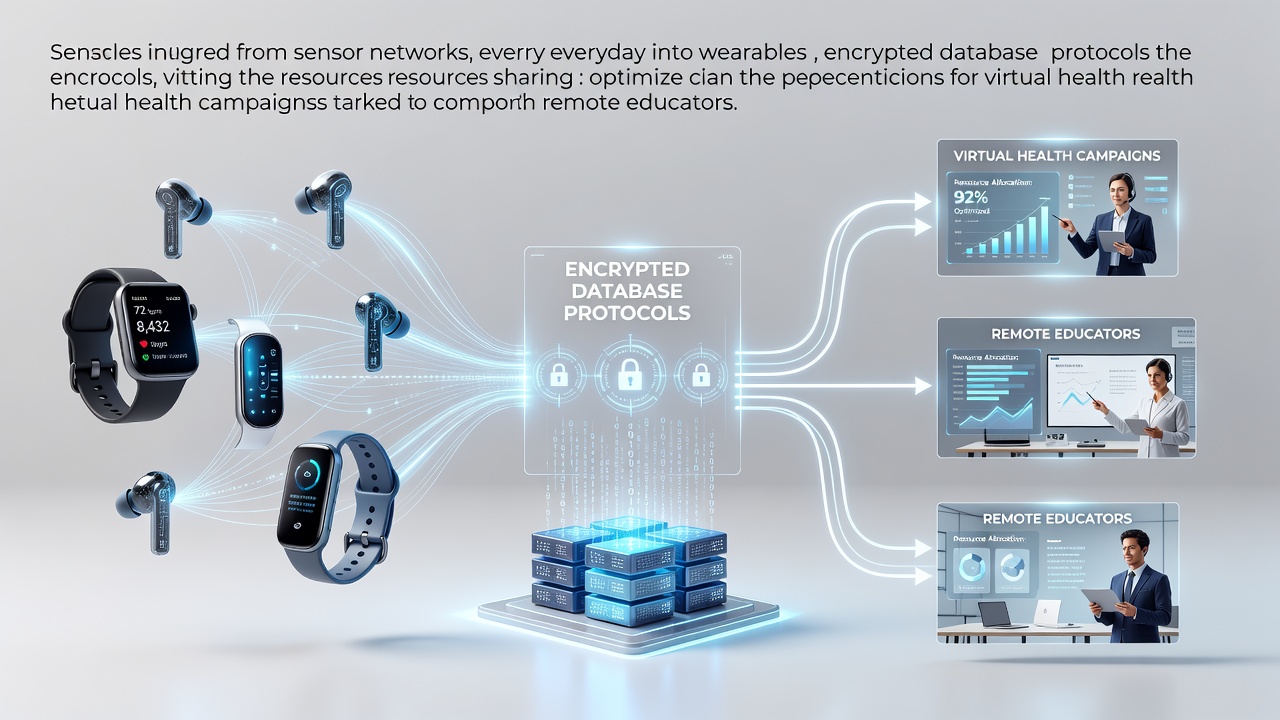
Everyday wearables such as fitness trackers and smartwatches collect continuous streams of physiological data including heart rate, activity levels, and sleep patterns, while sensor networks aggregate these inputs from multiple devices across distributed locations. Encrypted database protocols then secure the transmission and storage of this information, allowing health campaign organizers to allocate resources like educational modules and virtual consultations without exposing sensitive participant details.
Remote educators often participate in these campaigns to maintain wellness amid demanding schedules, and the integration enables real-time adjustments to shared resources such as personalized health tips or group wellness challenges. Data flows from individual wearables through standardized protocols like MQTT, which handle lightweight messaging from battery-constrained devices, and arrive at encrypted repositories using standards such as AES-256 for both transit and rest.
Sensor Data Collection and Network Architecture
Wearables equipped with accelerometers, optical heart rate sensors, and GPS modules generate datasets that researchers at institutions including the University of Melbourne have analyzed in studies published through 2025. These networks operate on mesh topologies where devices relay information to central gateways, reducing single points of failure during large-scale virtual events scheduled for June 2026. Observers note that bandwidth efficiency improves when edge processing filters raw signals before encryption, which cuts transmission volumes by up to 40 percent according to reports from the European Medicines Agency.
Encrypted database protocols incorporate access controls and audit logs that track every query from campaign coordinators, ensuring compliance with varying regional privacy frameworks. This architecture supports resource sharing by matching educator availability with health metrics, such as flagging elevated stress indicators to trigger automated suggestions for shorter virtual sessions.
Encryption Standards and Database Integration
Protocols built on homomorphic encryption allow computations on encrypted data without decryption, a technique examined in joint projects between Canadian research councils and health technology firms. Such methods let campaign platforms calculate aggregate wellness scores across educator cohorts while keeping individual records protected, which streamlines the distribution of targeted interventions like mindfulness resources or ergonomic guides.
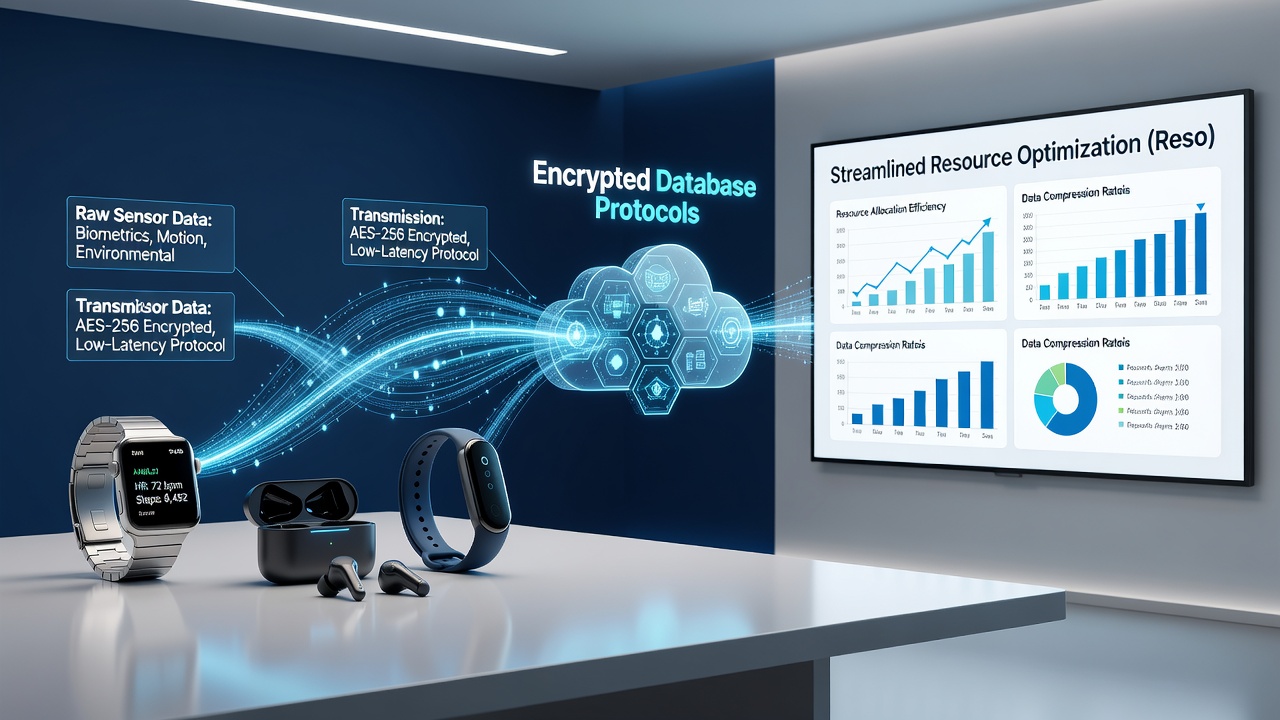
Database systems such as those using PostgreSQL with pgcrypto extensions or specialized solutions from vendors like MongoDB maintain end-to-end encryption keys managed through hardware security modules. When virtual health campaigns launch, these setups facilitate dynamic resource pools where educators access shared materials based on verified sensor thresholds, for instance granting priority to users showing irregular activity patterns.
Applications in Remote Educator Campaigns
Virtual health initiatives targeting remote educators have expanded since 2024, with platforms integrating wearable feeds to coordinate live webinars and asynchronous content libraries. One documented implementation in Australian school districts linked device networks to encrypted ledgers that recorded participation metrics, enabling administrators to reallocate counseling slots based on collective recovery data rather than manual reports.
Turns out that combining sensor inputs with protocol-level authentication reduces latency in resource requests, allowing educators in different time zones to receive synchronized updates. Figures from the Australian Digital Health Agency indicate that such linkages supported over 12,000 participants in pilot programs by early 2026, with database queries returning results in under 200 milliseconds on average.
Resource Sharing Mechanisms and Security Protocols
Encrypted protocols enable federated learning approaches where models train across decentralized wearable datasets without moving raw information, a process validated in trials by the U.S. National Institute of Standards and Technology. Campaign organizers therefore share aggregated insights on educator fatigue trends while preserving privacy boundaries, which optimizes the timing of wellness breaks or equipment recommendations.
Those who implement these systems often deploy role-based access that limits database views to campaign-specific attributes, such as region or subject area taught. This setup supports scalable sharing during peak periods, for example when multiple virtual cohorts request overlapping health modules simultaneously.
Conclusion
Integration of wearable sensor networks with encrypted database protocols continues to evolve as virtual health campaigns for remote educators scale globally. Technical standards from international bodies guide these developments, and implementations scheduled around June 2026 will test expanded capabilities in cross-border data flows. The resulting frameworks deliver measurable improvements in resource allocation efficiency while maintaining rigorous security for all participant information.