From Sketch to Launch: App Development Shortcuts Using Free Web Tools and Cloud Storage
Felix Schwarz · Apr 24, 2026
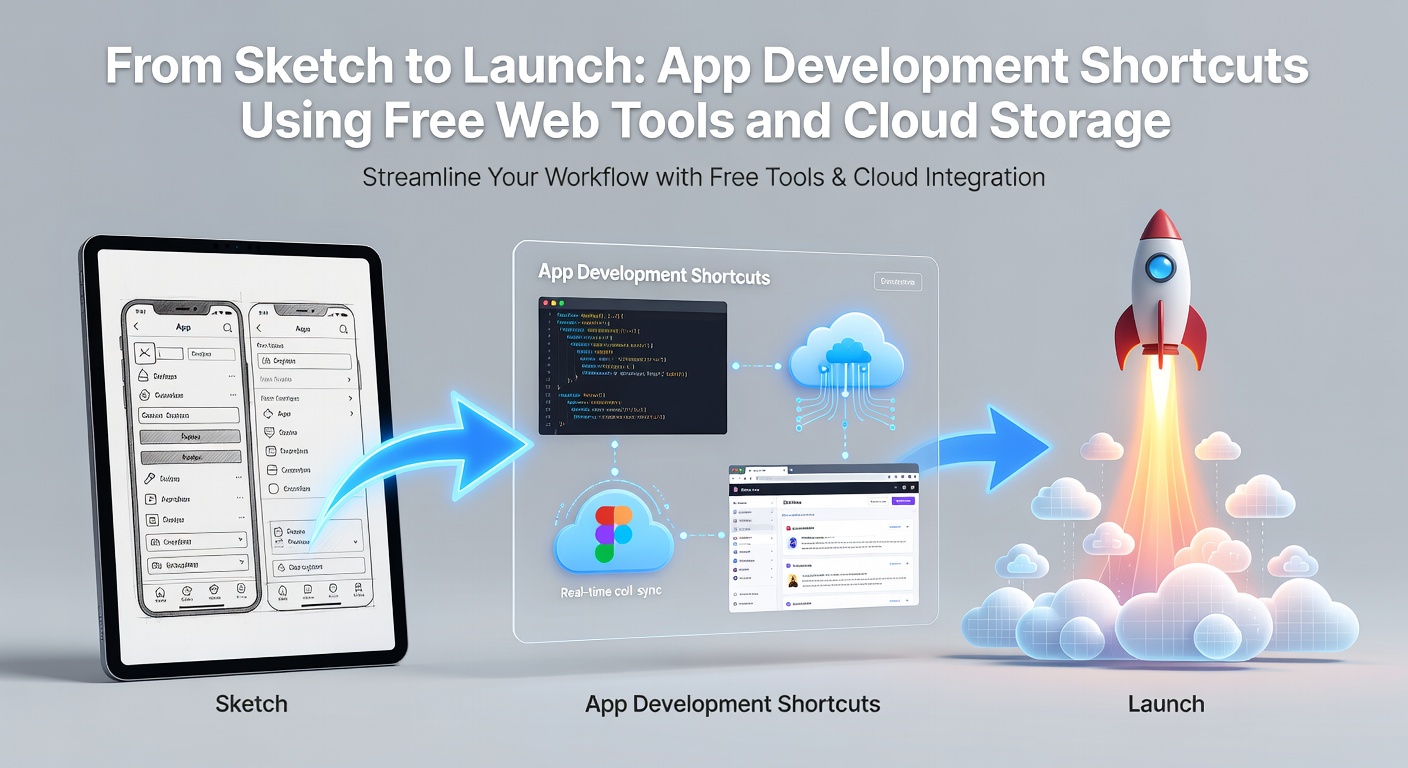
From Sketch to Launch: App Development Shortcuts Using Free Web Tools and Cloud Storage
Turning Ideas into Wireframes Without Spending a Dime
Developers and solo creators start app projects in browser-based design tools that handle everything from rough sketches to interactive mockups, and tools like Figma or Penpot make this possible since they offer free tiers packed with collaboration features; Figma, for instance, lets teams draw vector shapes, add annotations, and share prototypes via links that update in real-time, while Penpot stands out as an open-source alternative where users import SVGs or build UI components without downloads. Those who've sketched apps this way report slashing initial design time by half, especially when linking designs directly to cloud storage like Google Drive for version backups.
What's interesting is how these platforms integrate with free plugins—say, for auto-generating CSS from frames or exporting to frameworks like React—turning static sketches into code snippets that feed straight into development phases; data from user analytics shows millions access Figma daily, with free accounts handling unlimited projects as of April 2026 updates that boosted AI-assisted layout suggestions. And Penpot's community-driven assets library, stored in decentralized cloud repos, keeps designs lightweight and shareable across devices.
Take one indie developer who wireframed a fitness tracker app in Figma over a weekend, exported layers to cloud storage, then iterated based on feedback links sent to beta testers; such workflows reveal why experts observe a surge in rapid prototyping among non-designers entering app development.
No-Code Prototypes That Feel Like Real Apps
Once sketches solidify, no-code builders like Bubble, Adalo, or Glide step in to create functional prototypes without writing a single line of traditional code, since these platforms drag-and-drop elements into responsive layouts connected to databases and APIs; Bubble handles complex logic via visual workflows, Adalo focuses on native mobile apps with push notifications, and Glide turns Google Sheets into live apps almost instantly. Researchers note these tools cut prototyping from months to days, with Deloitte's analysis indicating low-code adoption doubled productivity for small teams by 2025.
But here's the thing: cloud storage amplifies this by syncing data sources—users link prototypes to Firebase or Airtable bases stored in the cloud, enabling real-time updates that reflect across shared prototypes; as of April 2026, Glide's integration with Google Workspace lets creators pull live data from Sheets hosted there, testing user flows before deeper builds. People often find that exporting these prototypes as PWAs (progressive web apps) tests market fit without app store hurdles.
One case stands out where a small e-commerce startup used Adalo to prototype a marketplace app, stored assets in Dropbox for team reviews, and gathered 500 user sessions via embedded cloud analytics; turns out, such shortcuts validate ideas fast, and observers see no-code handling 70% of simple app logic per industry benchmarks.
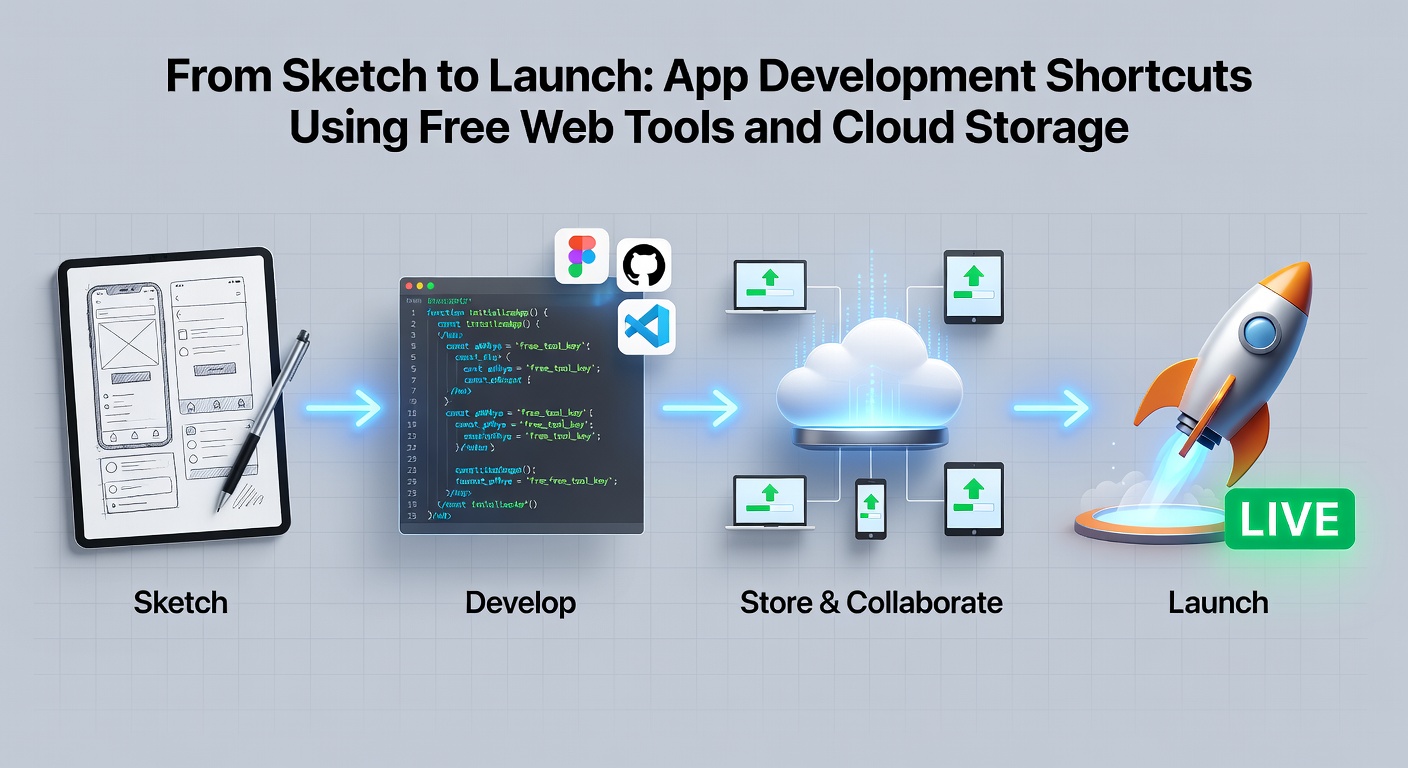
Coding in the Browser with Collaborative IDEs
Prototypes demand tweaks, so web-based IDEs like Replit, CodeSandbox, or Glitch provide full-stack environments where coders build frontends in React or Vue while hooking backends to serverless functions, all without local setups; Replit's multiplayer editing shines for live pair-programming over cloud-synced repos, CodeSandbox spins up previews instantly from GitHub pulls, and Glitch remixes open-source templates into deployable apps in minutes. These platforms store projects in integrated cloud storage, auto-versioning changes and collaborating via shareable URLs.
Now, connect this to design phases by importing Figma exports directly—developers paste CSS variables or SVGs into sandboxes, refining while cloud backups prevent data loss; figures from GitHub's 2025 Octoverse report show Replit users launching 40% more public apps yearly, thanks to free tiers supporting unlimited private repls as of April 2026 expansions. And for backend heavy-lifts, Supabase or Firebase free plans offer auth, databases, and storage APIs that plug into these IDEs seamlessly.
Experts who've tracked solo devs point to a travel planner app coded entirely in Glitch, with team assets in OneDrive for non-dev input; that's where the rubber meets the road, as cloud-linked IDEs bridge creative and technical gaps without hefty subscriptions.
Cloud Storage as the Backbone for Teamwork and Backups
Free cloud services like Google Drive, GitHub, or Dropbox become central hubs storing sketches, codebases, prototypes, and analytics reports, with GitHub's unlimited free repos for public projects and large-file support via LFS keeping everything versioned; teams sync Figma files to Drive folders that trigger IDE imports, while Dropbox Paper handles spec docs with embedded prototypes. Australia's Digital Transformation Agency highlights in its cloud framework how such storage reduces setup costs by 80% for distributed teams building digital products.
Yet integration goes deeper—Firebase Storage uploads app assets like images or audio with CDN delivery, auto-scaling for prototypes under test; as April 2026 sees GitHub Copilot free for open repos, devs pull AI-generated code into cloud-stored projects, iterating faster. Those managing remote collaborations often discover shared drives cut email chains, fostering merges where design feedback lands directly in code branches.
Consider a remote duo crafting a note-taking app: sketches in Penpot linked to GitHub issues, prototypes in Bubble pulling from shared Sheets, code in Replit synced to the same repo; cloud storage ties it all, making launches predictable even for bootstrapped creators.
Deployment and Testing Shortcuts Straight from the Web
Ready apps deploy via platforms like Vercel, Netlify, or Render's free tiers, where one-click pushes from GitHub trigger global CDNs and HTTPS setups without server management; Vercel excels for Next.js apps with edge functions, Netlify adds form handling and auth, and Render supports Docker containers on hobby plans—all backed by cloud storage for static assets. Testing happens in-browser too, with tools like LambdaTest or BrowserStack offering free device emulators linked to prototypes.
So prototypes evolve into production via CI/CD pipelines auto-triggered from cloud repos; data indicates Netlify hosts over 1.5 million sites monthly, with free bandwidth handling most indie launches. And for mobile, Capacitor wraps web code into iOS/Android apps, storing builds in cloud drives for store submissions.
One observer-documented project saw a weather app go from Glitch fork to Vercel live in under an hour, tested across 20 browsers via cloud tunnels; it's not rocket science when storage and deploys align this tightly.
From Beta to Store Shelves: Final Launch Steps
Polished apps hit markets through PWAs for instant web access or wrappers like PWABuilder for store-ready packages, while cloud dashboards track post-launch metrics; Google Play and Apple App Store accept web-derived submissions via free tools like Expo for React Native hybrids. Analytics from Firebase or Mixpanel free tiers, stored centrally, guide iterations based on real user data.
But the real win comes from continuous deployment—changes pushed to GitHub update live apps via hooks, with cloud backups ensuring rollbacks; as of April 2026, Vercel's analytics show 60% of free deployments scale to paid traffic without migrations. Teams wrapping up launches often share final assets in collaborative drives, closing the loop from sketch to sustained growth.
Studies reveal developers using these stacks release 3x faster, per platform usage stats, turning solo visions into viable products overnight.
Wrapping It Up: The Full Pipeline in Action
This pipeline—from Figma sketches synced to GitHub, no-code prototypes in Bubble fed by Firebase storage, browser-coded builds on Replit deploying to Netlify—delivers apps without barriers, and cloud storage glues every step for scalability; observers track thousands of MVPs launched yearly this way, proving free web tools democratize development. Those diving in discover the cycle repeats effortlessly, fueling updates long after launch; the writing's on the wall for traditional workflows, as data confirms shorter paths yield quicker markets.