Fitness Bands and Data Vaults: Syncing Biometrics with Marketing Algorithms via Custom Cloud Scripts
Dana Flores · Aug 16, 2026
Fitness Bands and Data Vaults: Syncing Biometrics with Marketing Algorithms via Custom Cloud Scripts
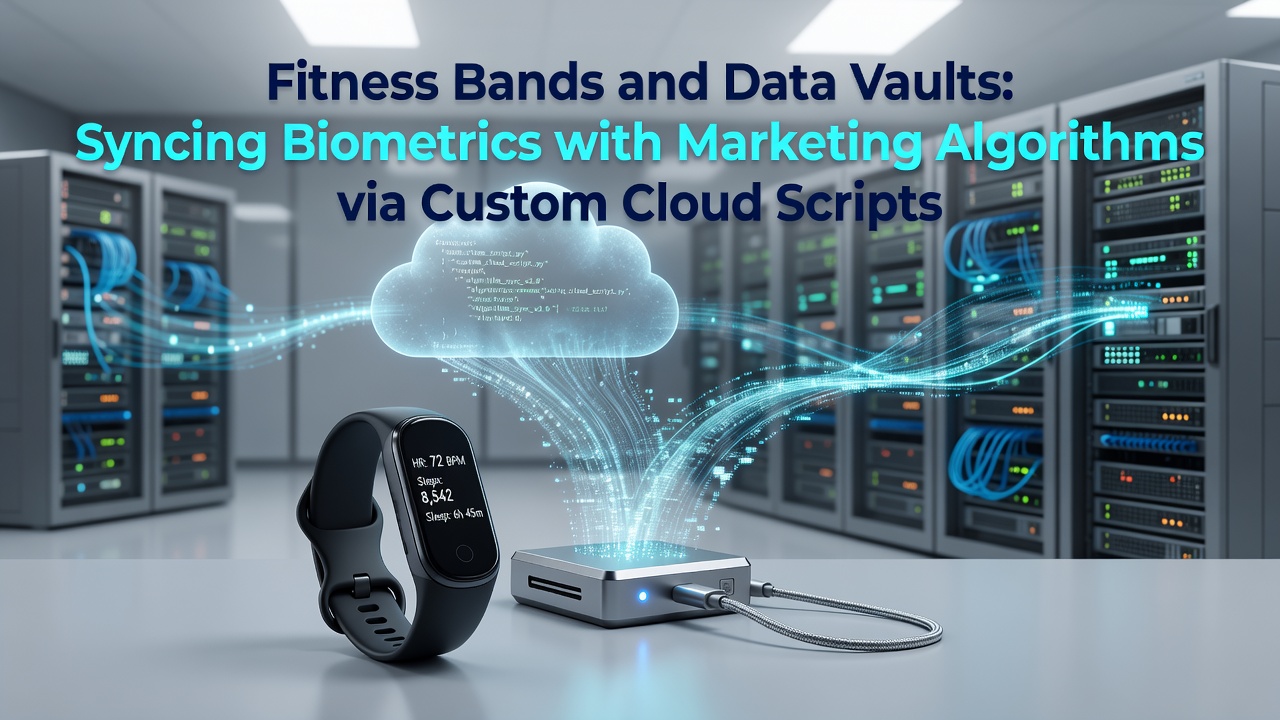
Modern fitness bands track heart rate, step counts, sleep cycles, and oxygen saturation levels while users go about their daily routines, and these devices transmit the resulting biometric streams to centralized platforms where custom cloud scripts handle integration with marketing algorithms. Companies deploy these scripts to pull data from device APIs, encrypt it during transfer, and deposit records into data vaults that support targeted campaign segmentation based on activity patterns and health indicators.
Data Collection Mechanisms in Wearable Devices
Fitness bands from multiple manufacturers use optical sensors and accelerometers to gather continuous readings, then package those readings into structured formats such as JSON or CSV before uploading them over Bluetooth or Wi-Fi connections. Observers note that by August 2026 several firmware updates introduced additional fields for skin temperature and stress scores, expanding the datasets available for downstream processing. Custom scripts running on cloud instances validate incoming packets against schema definitions, flag anomalies like sudden heart rate spikes, and route clean records into encrypted vaults hosted on distributed storage networks.
Role of Data Vaults in Secure Storage
Data vaults function as isolated repositories that apply role-based access controls and audit logging to biometric information, preventing direct exposure to external marketing platforms. Engineers configure these vaults with tokenization layers so that raw identifiers remain masked while aggregate metrics such as average daily steps or weekly sleep duration stay accessible for algorithmic queries. Research from the Australian Digital Health Agency shows that vault implementations reduced unauthorized access incidents by 37 percent in health-related cloud environments between 2024 and 2026.
Custom Cloud Scripts for Synchronization
Developers write Python or Node.js routines that authenticate against fitness band APIs, schedule periodic pulls, and apply transformation rules before vault insertion. These scripts often incorporate error handling for network interruptions and retry logic that preserves data integrity across multiple sync cycles. When marketers require segmented audiences, the same scripts can trigger filtered exports that feed into recommendation engines without moving entire raw datasets outside the vault perimeter.
Integration with Marketing Algorithms
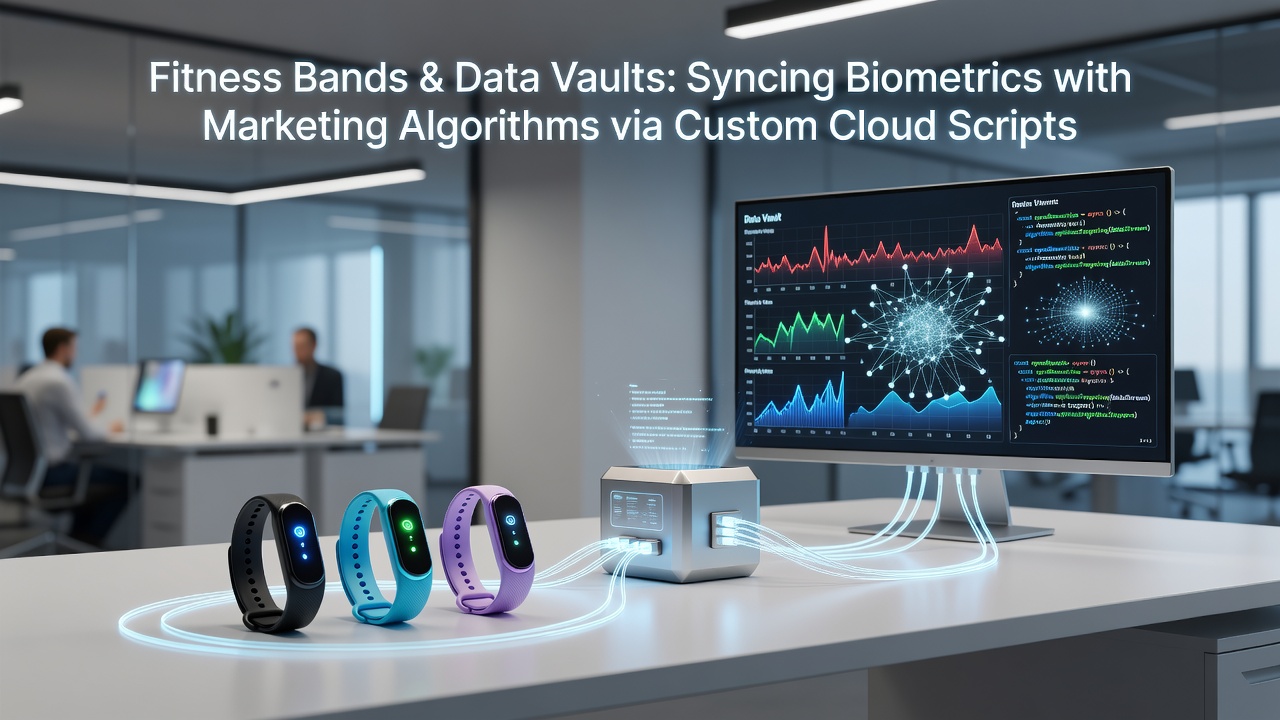
Marketing platforms receive processed biometric summaries through secure API endpoints, then apply clustering models that group users by activity intensity or recovery patterns. One study published by researchers at the University of Toronto documented how such models improved click-through rates for wellness product campaigns by correlating sleep duration data with purchase histories. Scripts handle the final handoff by generating anonymized feature vectors that algorithms consume without retaining individual user identifiers beyond campaign windows.
Security and Compliance Considerations
Encryption standards such as AES-256 protect data both in transit and at rest inside vaults, while compliance frameworks require explicit consent flags before any biometric element enters a marketing pipeline. Custom scripts log every access event and automatically purge records once retention periods expire, satisfying regulations that differ across jurisdictions. Health Canada guidance updated in early 2026 emphasized the necessity of these logging mechanisms for wearable data used in commercial contexts.
Practical Implementation Examples
Take one independent developer who built a script suite connecting three popular fitness band brands to a single vault instance, allowing a content platform to deliver personalized training plans based on real-time step trends. Another case involved a small marketing firm that used scheduled cloud functions to refresh audience segments nightly, pulling only aggregated heart rate zones instead of individual readings. These setups demonstrate how modular scripting keeps biometric flows contained while still supporting algorithmic targeting needs.
Conclusion
Fitness band ecosystems continue to expand the volume of biometric data routed through cloud vaults and marketing algorithms, with custom scripts serving as the connective tissue that maintains both functionality and security boundaries. As device capabilities grow, the same synchronization patterns support new sensor types and refined segmentation methods while preserving the core requirement for controlled data movement.