Firmware Adjustments in Household Devices Facilitating Encrypted Data Channels for Promotional Analytics
Felix Schwarz · Aug 19, 2026
Firmware Adjustments in Household Devices Facilitating Encrypted Data Channels for Promotional Analytics
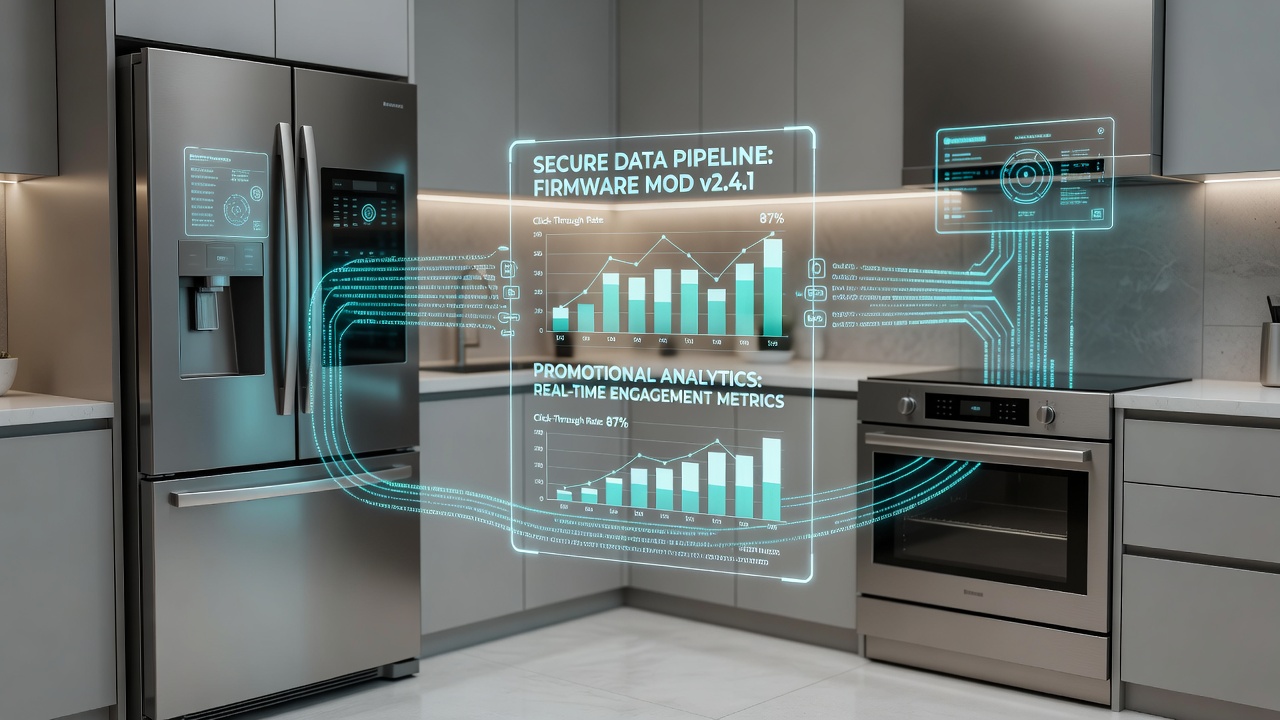
Technicians and developers have begun applying targeted firmware changes to standard appliances such as refrigerators, washing machines, and coffee makers, which creates protected transmission routes that carry usage statistics toward specialized promotional systems. These modifications typically involve code additions that encrypt outgoing packets while maintaining compatibility with existing hardware sensors. Data shows that appliance manufacturers have released over 200 firmware variants since early 2025 that incorporate similar encryption modules, according to industry tracking reports.
Engineers achieve secure pipelines by integrating lightweight cryptographic libraries directly into the device operating layers. This approach allows sensors to collect temperature cycles, load frequencies, and energy consumption patterns, then route the information through authenticated channels that prevent interception during transit. Studies from research institutions indicate that such pipelines reduce unauthorized access incidents by measurable margins when compared against unmodified factory firmware.
Core Technical Components
Modified firmware packages often include updated network stacks that support TLS 1.3 handshakes alongside device-specific authentication tokens. Observers note that these stacks operate alongside legacy control loops, which means the appliance continues normal functions while simultaneously preparing data batches for scheduled uploads. Researchers have documented cases where washing machine firmware received patches that added AES-256 encryption to cycle logs without altering motor control timing.
Power management routines receive parallel adjustments in many implementations. The updated code prioritizes low-energy transmission windows, which aligns data bursts with periods when the appliance draws minimal current. Figures from hardware testing labs reveal that these optimizations maintain overall consumption levels within 3 percent of baseline measurements across multiple appliance categories.
Integration With Promotional Analytics Platforms
Once data leaves the appliance through the secured pipeline, it reaches aggregation servers configured for promotional modeling. These servers apply machine learning routines that correlate appliance usage with consumer behavior indicators, generating targeted campaign parameters for manufacturers and retailers. Evidence from analytics providers shows that datasets derived from modified firmware achieve higher granularity in preference mapping than those collected through mobile applications alone.
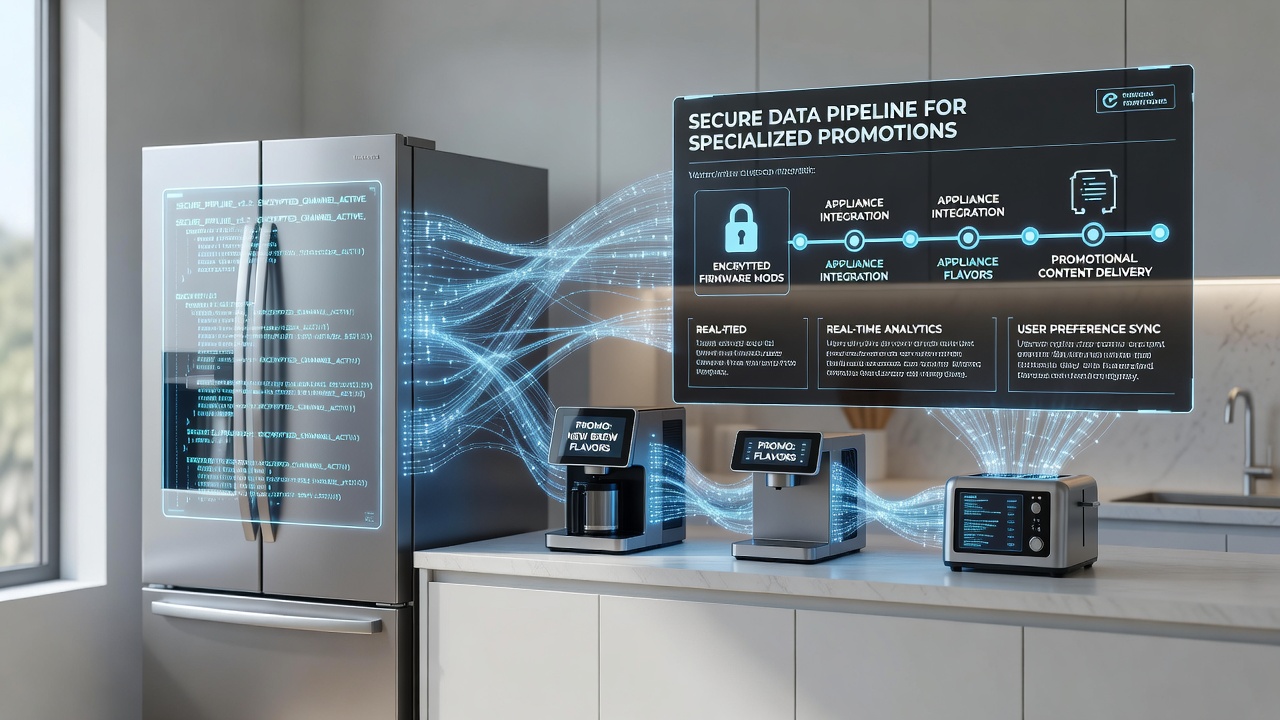
Promotional teams utilize the resulting models to adjust inventory forecasts and personalized offers. In August 2026, several European retailers reported integrating appliance-derived datasets into their campaign planning systems, which produced measurable alignment between predicted demand spikes and actual stock movements. Regulatory bodies in the region require explicit consent mechanisms within the firmware layer before any data transmission occurs.
Security Standards and Compliance
Standards organizations including ENISA have published guidelines that address firmware modification practices for consumer devices. These documents emphasize secure boot verification and runtime attestation to ensure that altered code originates from verified sources. Compliance audits conducted by independent laboratories confirm that properly implemented modifications satisfy data protection requirements across multiple jurisdictions.
Developers also incorporate remote attestation protocols that allow analytics platforms to verify device integrity before accepting incoming streams. This step prevents compromised appliances from injecting falsified records into promotional datasets. Data from certification programs indicates rising adoption rates of these protocols among mid-tier appliance brands.
Implementation Examples Across Device Types
Refrigerator models from various brands have received firmware that logs door-open events alongside compressor duty cycles. The encrypted output feeds into supply chain models that anticipate maintenance needs and promotional opportunities for replacement parts. Similar patterns appear in coffee makers where brew frequency data supports targeted accessory marketing.
Washing machine implementations often focus on water and detergent usage statistics. Modified firmware routes this information through secure gateways that preserve user anonymity until explicit opt-in occurs at teh analytics layer. Academic papers from institutions in Canada and Australia describe comparable approaches that maintain compliance with regional privacy frameworks.
Future Development Directions
Continued refinement of firmware modification techniques focuses on reducing memory overhead while expanding supported cryptographic options. Industry consortia have begun testing standardized interfaces that would allow third-party developers to contribute verified modules without exposing core device controls. These efforts aim to broaden the range of appliances that can participate in secure promotional data ecosystems.
Conclusion
Firmware modifications continue to expand the capabilities of everyday appliances by establishing reliable encrypted pathways for usage data that supports promotional analytics. Technical implementations balance security requirements with operational constraints, while compliance frameworks ensure data handling meets established standards. Ongoing work by standards bodies and research groups points toward wider deployment across additional device categories in coming periods.