Browser Extension Customization for Streamlined Content Distribution and Threat Detection in Niche Markets
Dana Flores · May 22, 2026
Browser Extension Customization for Streamlined Content Distribution and Threat Detection in Niche Markets
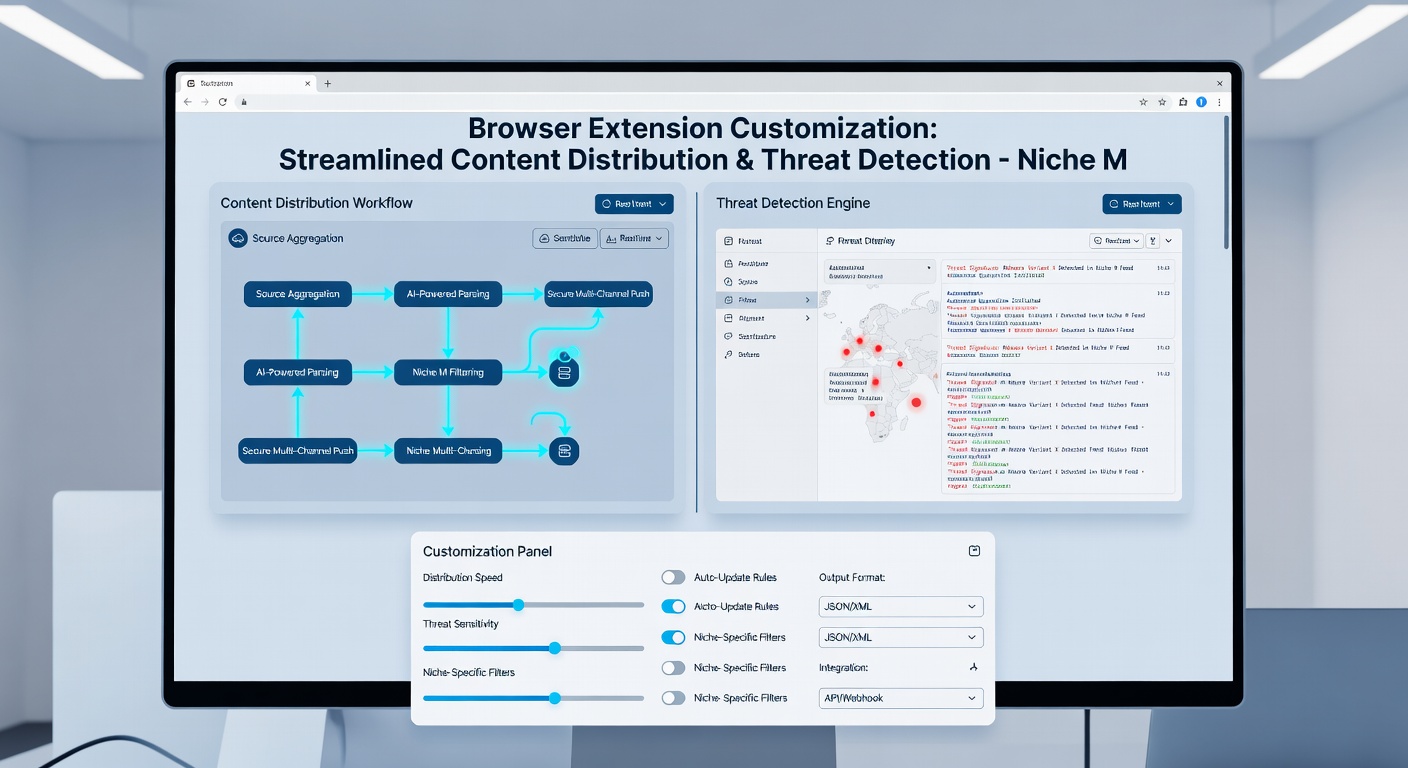
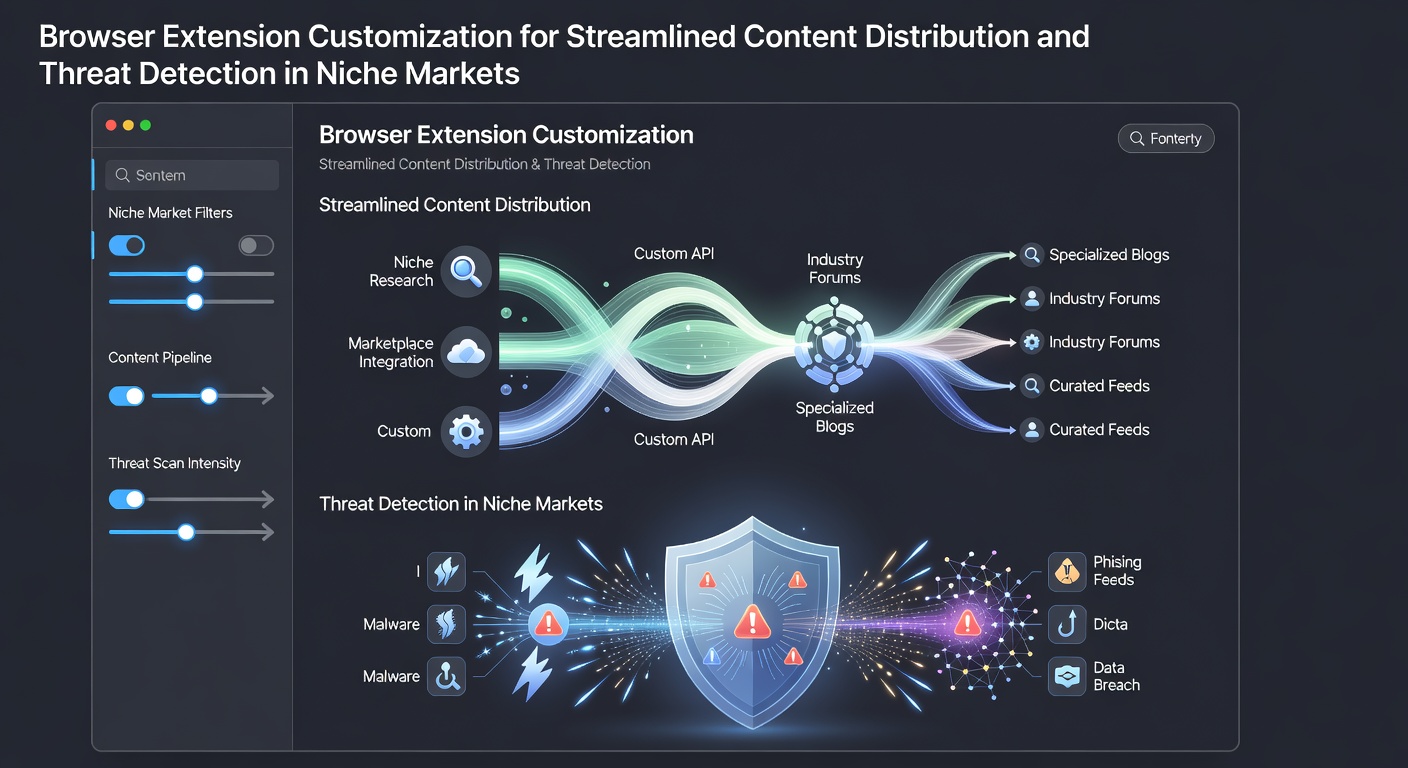
Browser extensions serve as modular tools that users install directly into web browsers, and developers customize these add-ons to handle targeted tasks in content distribution while monitoring for security threats. In niche markets such as academic publishing, specialized e-commerce platforms, and industry-specific research networks, these extensions streamline the flow of materials from creators to audiences and incorporate detection layers that identify anomalies in data traffic. Data from industry reports shows that extension usage in professional sectors grew steadily through 2025, driven by demands for efficient sharing protocols and real-time monitoring. Customization begins with API integrations that allow extensions to connect with content management systems, and developers modify manifest files to grant permissions for file handling, automated uploads, and metadata tagging. This process enables extensions to push articles, datasets, or multimedia files to designated repositories without manual intervention, which reduces distribution times in fields where timing matters. Researchers have documented cases where customized extensions in medical research communities automated the release of preprints to closed networks, ensuring compliance with access controls while logging each transfer. Threat detection features rely on pattern recognition algorithms embedded in the extension code, and these scan incoming and outgoing data streams for indicators such as unusual script injections or mismatched certificates. When anomalies appear, the extension triggers alerts or blocks actions based on predefined rulesets, and updates to detection libraries occur through secure channels managed by the extension provider. According to the Australian Cyber Security Centre, organizations adopting such layered monitoring reported fewer incidents of unauthorized data access in browser-based workflows during recent audits.Customization Approaches in Practice
Developers tailor extensions through open-source frameworks that support JavaScript modifications, and they incorporate libraries for encryption to protect content during transit. In niche markets focused on legal document sharing, extensions often include watermarking functions that embed unique identifiers into files before distribution, which helps trace leaks back to specific users. Observers note that these modifications integrate with existing enterprise authentication systems, allowing seamless single sign-on while maintaining audit trails. Content distribution benefits from extensions that interface with cloud storage APIs, and scheduled tasks within the extension handle batch uploads during off-peak hours to optimize bandwidth. Figures from academic studies reveal that teams using customized distribution tools completed collaborative projects faster than those relying on standard browser functions alone. Extensions also adapt to regional regulations by adjusting data handling parameters, such as restricting transfers to approved jurisdictions.Threat Detection Integration
Detection modules within extensions monitor browser activity for signs of malware or phishing attempts that target content workflows, and machine learning models trained on historical threat data improve accuracy over time. When an extension identifies a potential issue, it can isolate the session or notify administrators through integrated dashboards. The European Union Agency for Cybersecurity has published guidelines on embedding such capabilities into browser tools, emphasizing the need for regular testing against evolving attack vectors. In practice, extensions combine signature-based checks with behavioral analysis to flag deviations like rapid data exfiltration attempts, and this dual approach covers both known and emerging risks. Niche market applications often add sector-specific filters, such as scanning for manipulated financial reports in accounting networks or altered research images in scientific repositories.