Browser Add-ons Enhancing Content Reach and Threat Surveillance in Specialized Markets
Hugo Fischer · Jul 31, 2026
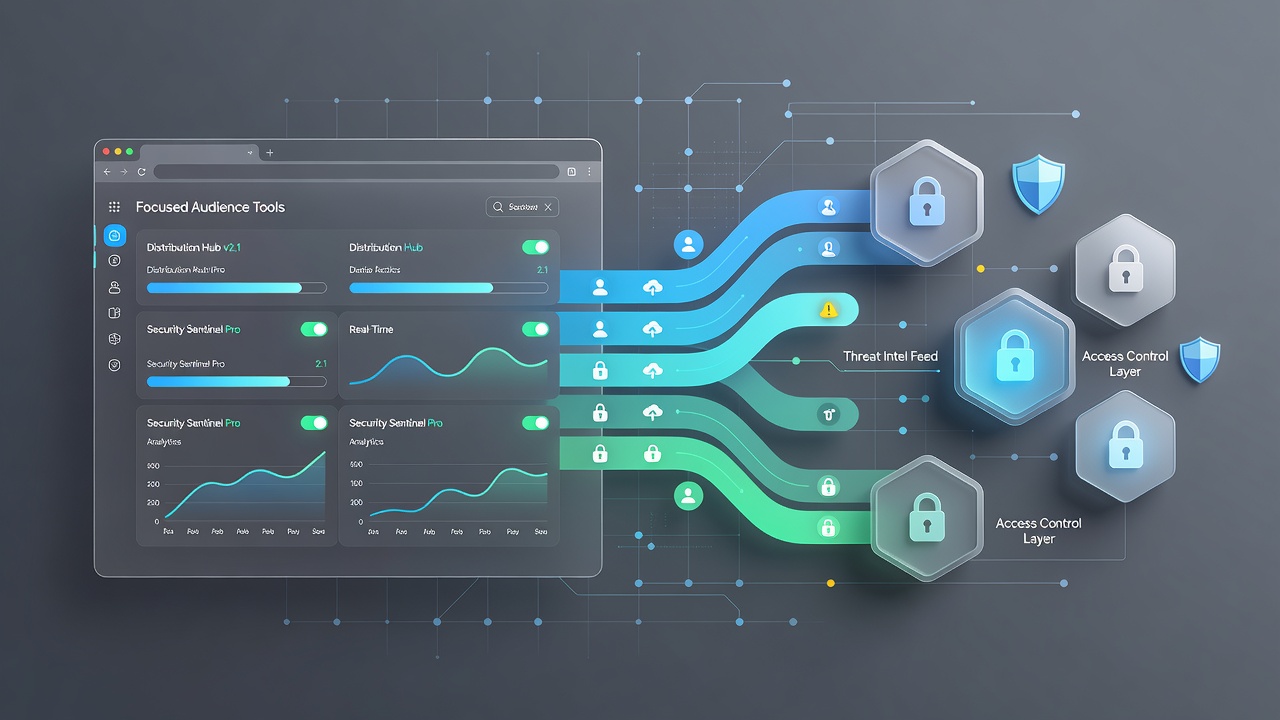
Browser Add-ons Enhancing Content Reach and Threat Surveillance in Specialized Markets
Browser add-ons have evolved into essential utilities that handle both content distribution to targeted groups and ongoing security oversight within those same channels, and data from mid-2026 shows adoption rates climbing among independent creators and small teams who manage focused communities. These tools integrate scheduling features with real-time scanning capabilities so users can push material to segmented lists while the extension flags potential vulnerabilities in links or attachments before they reach recipients. Researchers at various institutions have documented how such combined functions reduce the steps required for both outreach and protection without requiring separate platforms for each task.
Core Functions in Distribution Workflows
Add-ons designed for distribution often connect directly to social platforms, email services, and content management systems, allowing one-click scheduling across multiple channels that serve specific interest groups, while analytics panels track engagement metrics from those same posts. Observers note that extensions can segment audiences based on past interaction data, then route material accordingly, and this process runs in the background so the primary browser session stays focused on other work. According to reports issued by the European Union Agency for Cybersecurity in 2025, organizations using integrated tools recorded fewer instances of misdirected content reaching unintended viewers compared with manual methods.
Security Monitoring Layers Within the Same Extensions
Security features embedded in these add-ons perform continuous checks on outgoing links, scan attached files for known threat signatures, and monitor incoming responses for phishing indicators, all while the distribution functions continue uninterrupted. Experts from the Australian Cyber Security Centre have recorded that extensions with built-in reputation databases update their threat lists daily, which helps maintain accuracy when new campaigns emerge. The same extensions can enforce encryption standards on shared documents and alert users when a recipient domain shows signs of compromise, creating a single interface for both promotion and defense. People who manage niche forums frequently rely on these combined capabilities because switching between separate tools often introduces delays that affect timely outreach.

Integration Examples Across Different User Groups
One developer collective that maintains educational resources for hobbyist programmers adopted an extension suite in early 2026 that combined calendar-based posting with link scanners, resulting in measurable drops in bounce rates from flagged URLs according to their internal logs. Another group focused on regional artisan networks used similar tools to distribute product updates to verified buyer lists while the add-on cross-checked each recipient address against public breach databases maintained by government agencies. Studies published by academic teams in Canada during the same period indicate that such layered approaches cut average response times to potential incidents by nearly half when compared with disjointed workflows. The extensions also support API connections to external monitoring services, allowing alerts generated during distribution cycles to feed directly into team dashboards without additional configuration steps.
Technical Considerations for Reliable Operation
Compatibility with major browser engines remains a key factor, and most current add-ons operate through standardized APIs that permit permission-based access to tabs, downloads, and storage areas while respecting user-defined limits on data collection. Updates released around July 2026 introduced improved sandboxing that isolates distribution scripts from security scanners, reducing the chance of one function interfering with the other during high-volume campaigns. Figures released by industry research groups show that extensions with modular architectures receive higher retention rates because users can toggle individual components without reinstalling the entire package. Maintenance routines typically include automatic checks for permission changes and prompt users when an update alters access scopes, which keeps the tool aligned with evolving platform policies.
Practical Deployment Patterns
Teams often begin by installing the add-on on a primary workstation, then replicate settings across additional devices through cloud sync features built into the extension itself. Training materials provided by developers walk through permission grants step by step so new users can activate distribution queues and security thresholds without exposing unrelated browser activity. Data indicates that groups serving audiences under 5,000 members achieve the quickest setup times because their segmentation rules remain simpler than those required for broader campaigns. External services that feed into these add-ons, such as reputation lists maintained by regional cybersecurity bodies, receive periodic validation to ensure accuracy before each distribution run begins.
Conclusion
Browser add-ons that merge distribution tactics with security monitoring continue to consolidate previously separate tasks into unified interfaces, and evidence from multiple regions shows steady uptake through 2026. The combination allows focused audiences to receive material that has already passed automated checks, while operators retain visibility into both reach metrics and threat indicators from a single view. Ongoing refinements in API standards and threat databases support further integration without increasing complexity for end users.